AGP Executive Report
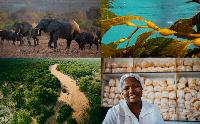
Last update: 9 hours ago| Community Conservation: Namibia’s communal conservancies show how giving residents a role in wildlife management—and a share of tourism and other income—can support conservation and local livelihoods. Livestock and Land: With foot-and-mouth disease confirmed in | Kharas, a new analysis urges officials to map animal, vehicle and wildlife movements to better track how outbreaks spread. Human-Wildlife Conflict: A revised national policy aims to reduce conflict through land-use planning, prevention, research and community engagement. Trees and Schools: Swakop Uranium donated gardening equipment to seven Hardap schools to support tree-planting and environmental education. Green Industry: Germany and Namibia signed a N$103 million agreement for projects on electricity access and responsible critical-mineral value chains. Marine Environment: Namibia has granted an environmental certificate to a phosphate-mining project long opposed by the fishing industry, renewing concerns about potential impacts on the coast. |
Note: AI summary from news headlines; neutral sources weighted more to help reduce bias in the result. Feedback is welcome. Please let us know if you have any comments or suggestions about the AGP Executive Report.

 Perspectify News